
Children today grow up surrounded by Wi-Fi routers, smartphones, tablets, baby monitors, and smart speakers — often within just a few feet of where they sleep and play. While these devices make modern life convenient, they also emit electromagnetic fields (EMF) continuously, and kids’ developing bodies may be more sensitive to this constant exposure than adults.
If you’ve been searching for ways to reduce EMF radiation in your child’s bedroom, here’s what you need to know and practical steps you can take.
Why Kids Are More Sensitive to EMF
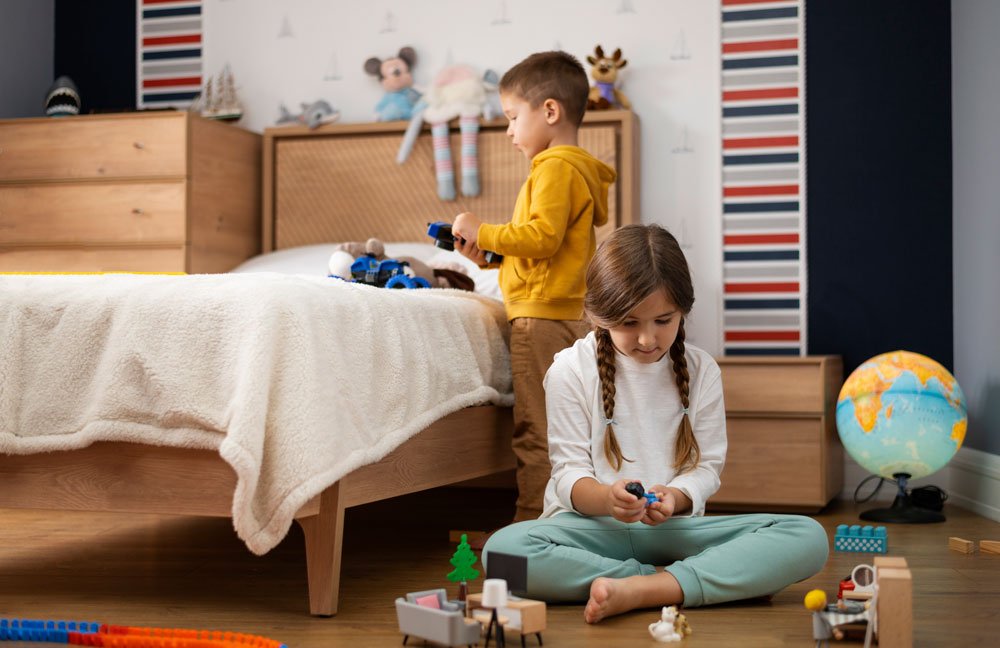
Children’s bodies absorb EMF differently than adults. Their skulls are thinner, their nervous systems are still developing, and they tend to spend more cumulative hours close to devices — tablets for schoolwork, gaming consoles, smart night lights, and Wi-Fi-connected toys. Many parents researching this topic are concerned about links between EMF exposure and disrupted sleep, restlessness, irritability, and difficulty concentrating.
It’s worth noting that EMF protection devices are not medical products and don’t diagnose or treat any condition. But many families choose to take a precautionary approach, similar to how they might childproof an electrical outlet — not because harm is certain, but because reducing unnecessary exposure is simple and low-risk.
Common Sources of EMF in a Kid’s Room
Before making changes, it helps to identify what’s actually emitting EMF near your child:
A Wi-Fi router placed in or near the bedroom is often the biggest contributor, since it broadcasts continuously, 24/7. Tablets, phones, and gaming devices add to this when left on standby or charging near the bed. Baby monitors and smart speakers (like Alexa or Google Home devices) also emit EMF even in idle mode. Bluetooth-enabled night lights and smart plugs contribute smaller but constant fields as well.
Simple Steps to Reduce EMF Exposure in a Child’s Bedroom
A few practical, low-effort changes can make a noticeable difference:
Keep Wi-Fi routers out of bedrooms entirely, placing them in a hallway or living area instead. Turn off Wi-Fi at night using your router’s scheduling feature or a smart plug timer. Keep phones, tablets, and laptops out of the bedroom while charging, or at minimum across the room from the bed. Choose wired baby monitors over Wi-Fi-connected ones where possible. Avoid placing smart speakers or Bluetooth devices directly next to a child’s pillow.
Using an EMF Protection Device in a Kid’s Room
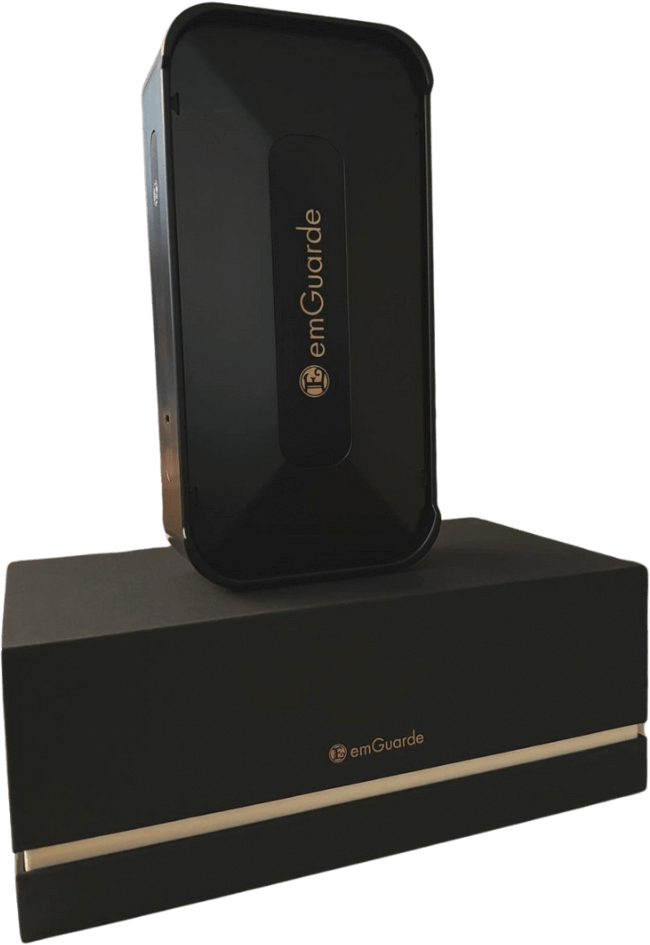
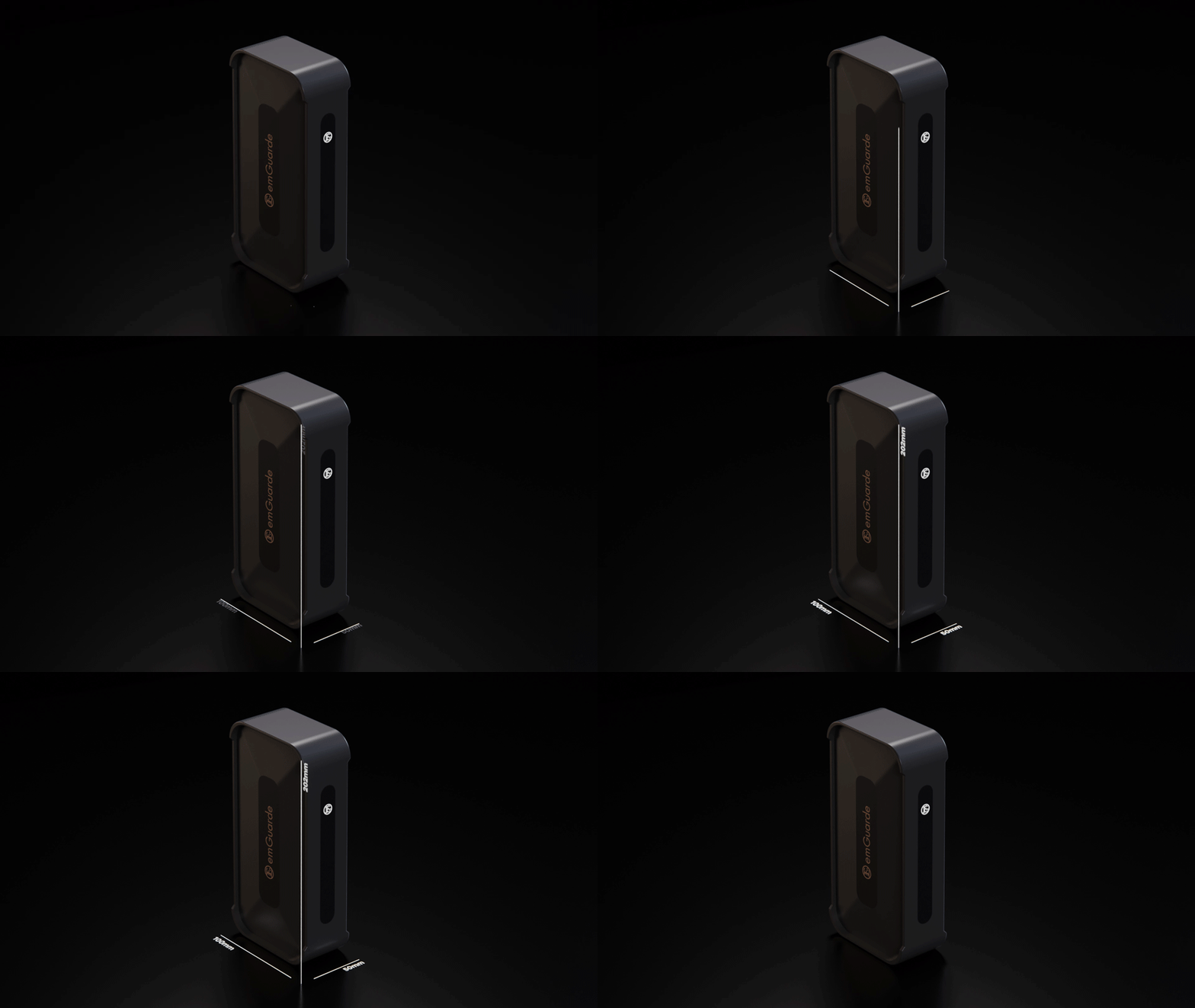
For families who want an added layer of protection without rearranging every device in the house, EMF shielding devices like Emguarde offer a passive solution. Emguarde uses harmonic frequency technology to help neutralize EMF “noise” within an 8-meter coverage area — making it well-suited for a bedroom or playroom where multiple electronic devices are in use.
Because it plugs into a standard USB-C charger, requires no maintenance, and uses just 0.5 watts of power, it’s an easy addition to a child’s room without changing daily routines. The device includes an active indicator light, so parents can confirm it’s working at a glance.
A Balanced Approach
The goal isn’t to eliminate technology from your child’s life — that’s not realistic for most families. It’s about creating small, sensible buffers: keeping the strongest EMF sources at a distance during sleep hours, and using supportive tools like EMF protection devices to help balance the environment in spaces where kids spend the most time.
If you’re looking for a simple way to add a layer of EMF protection to your child’s room, explore Emguarde’s EMF protection device for Indian homes and check current pricing on our Emguarde Price in India page.
Disclaimer: Emguarde is not a medical device and does not diagnose, treat, or prevent any disease. It is designed to reduce electromagnetic interference within a specific frequency range and create a more balanced environment.